
Masters Group
Home Extensions That Add
Space, Value & Light
to Your Brighton Property
Gain the extra room your family needs — without the cost and upheaval of moving. Masters Group delivers single-storey, double-storey, and wrap-around extensions across East Sussex, from planning through to handover.
30+ years building extensions · Fixed-price contracts · Building control handled · Fully insured
30+ Years
Extension specialists
Fixed Pricing
No hidden extras
Building Control
Managed for you
Fully Insured
Public liability cover
What Types of Extensions Do We Build?
A home extension is the most cost-effective way to add living space without moving. It covers rear extensions, side-return extensions (particularly popular in Brighton's terraced properties), wrap-around extensions that combine rear and side, and double-storey extensions that maximise space above and below.
This service is for homeowners who need more kitchen space, a dedicated dining area, an extra bedroom, a home office, or a ground-floor bathroom. It is also for families who love their location but have outgrown their property — and recognise that moving costs (stamp duty, legal fees, agent fees) often exceed the cost of building the space they need.
Extensions require careful structural planning. The connection between old and new must be properly detailed to prevent cracking, water ingress, and thermal bridging. Foundations must be designed for the specific ground conditions on your plot. Roof junctions, drainage connections, and damp-proof courses must all be correctly executed.
Masters Group manages every element — from initial feasibility assessment and structural engineering through to building control sign-off and final decoration. We coordinate with your architect or can recommend architects experienced in Brighton's planning environment.
What Goes Wrong With Poorly Planned Extensions?
The most common extension failure is differential settlement — where the new foundation and the existing foundation move at different rates, causing cracking at the junction. This happens when foundations are not designed to match the ground conditions or when the connection between old and new is not properly tied.
Water ingress at the junction between the existing building and the extension is the second most common issue. If the roof is not properly flashed and sealed, water enters the cavity and causes damp on internal walls. In Brighton's coastal climate, where driving rain is common, proper weatherproofing is essential.
Thermal bridging occurs when insulation is not continuous through the connection between old and new. This creates cold spots that attract condensation, leading to mould growth — particularly in kitchens and bathrooms where humidity is high.
Planning permission failures cost time and money. Under permitted development rights, many single-storey rear extensions do not require planning permission — but the rules are strict and specific. Exceed the allowed depth, height, or boundary proximity, and you need full planning permission. Build without it, and the local authority can require you to demolish the extension.
Our Process
How We Deliver Every Project
Feasibility & Survey
We assess your property, discuss options, check permitted development rights, and identify any constraints before you spend money on drawings.
Design & Structural Engineering
Working with your architect and our structural engineer, we finalise designs, produce calculations, and prepare for building control submission.
Quotation & Programme
You receive a fixed-price quotation with a detailed programme of works, so you know exactly what you are paying and when each stage will be completed.
Groundworks & Foundations
Excavation, foundation pouring, and drainage connections — inspected and approved by building control before we proceed.
Build & Fit-Out
Structural shell, roofing, first fix (plumbing, electrics), plastering, second fix, and decoration — all coordinated by your project manager.
Handover & Sign-Off
Building control final inspection, snagging, and handover. Your completion certificate confirms the extension meets all regulations.
Why This Matters for Your Project
Add 15–25% to Property Value
A well-designed extension in Brighton consistently adds more value than it costs — particularly kitchen-diners and additional bedrooms.
Avoid the Cost of Moving
Stamp duty on a £500,000 property is £12,500. Legal and agent fees add another £5,000–£10,000. Most extensions cost less than the total cost of moving.
Stay in Your Location
Your children's school, your commute, your neighbours — an extension lets you keep everything you value about where you live.
Natural Light & Open-Plan Living
Modern extensions use large-format glazing, rooflights, and bi-fold doors to flood your home with light and create the open-plan layouts that define contemporary living.
Future-Proofed Design
We design extensions with future flexibility in mind — structural provisions for loft conversions above, plumbing routes for future bathrooms, and wiring for EV charging.
Building Regulation Compliance
Every extension is designed to meet current Part L (energy), Part B (fire), and Part A (structural) requirements, protecting your investment and insurability.
Project Gallery
Recent Home Extension Service Projects
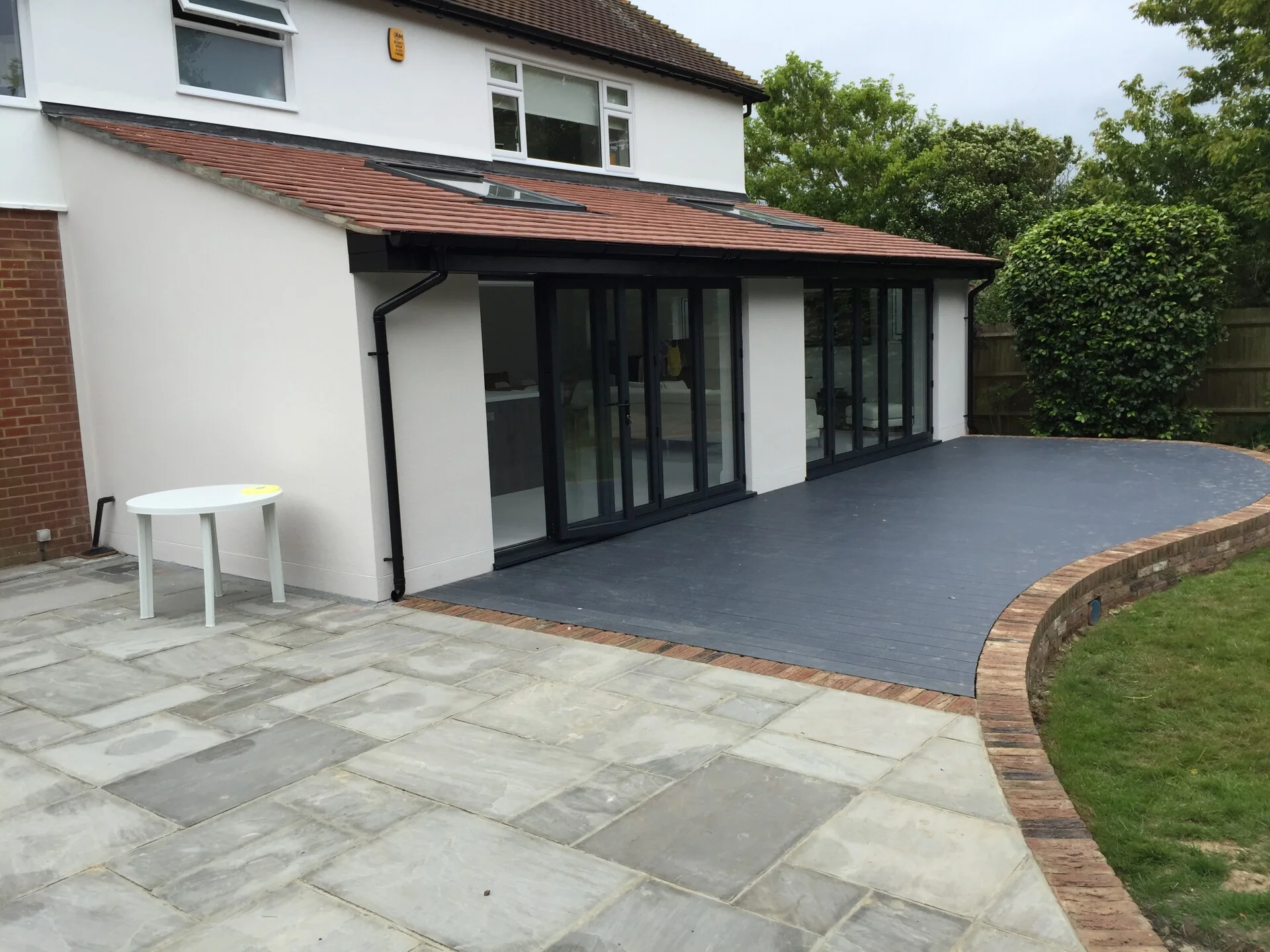
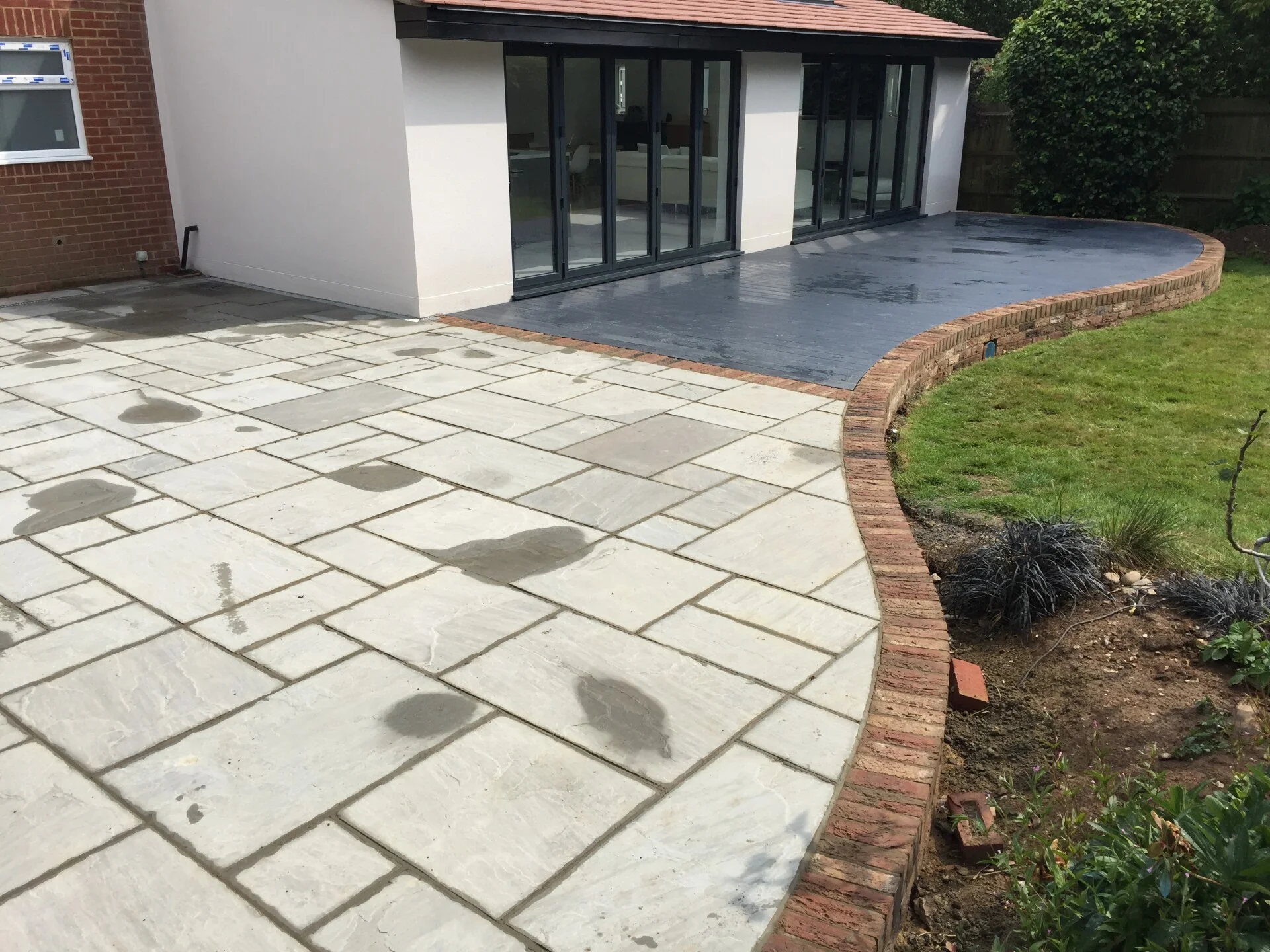
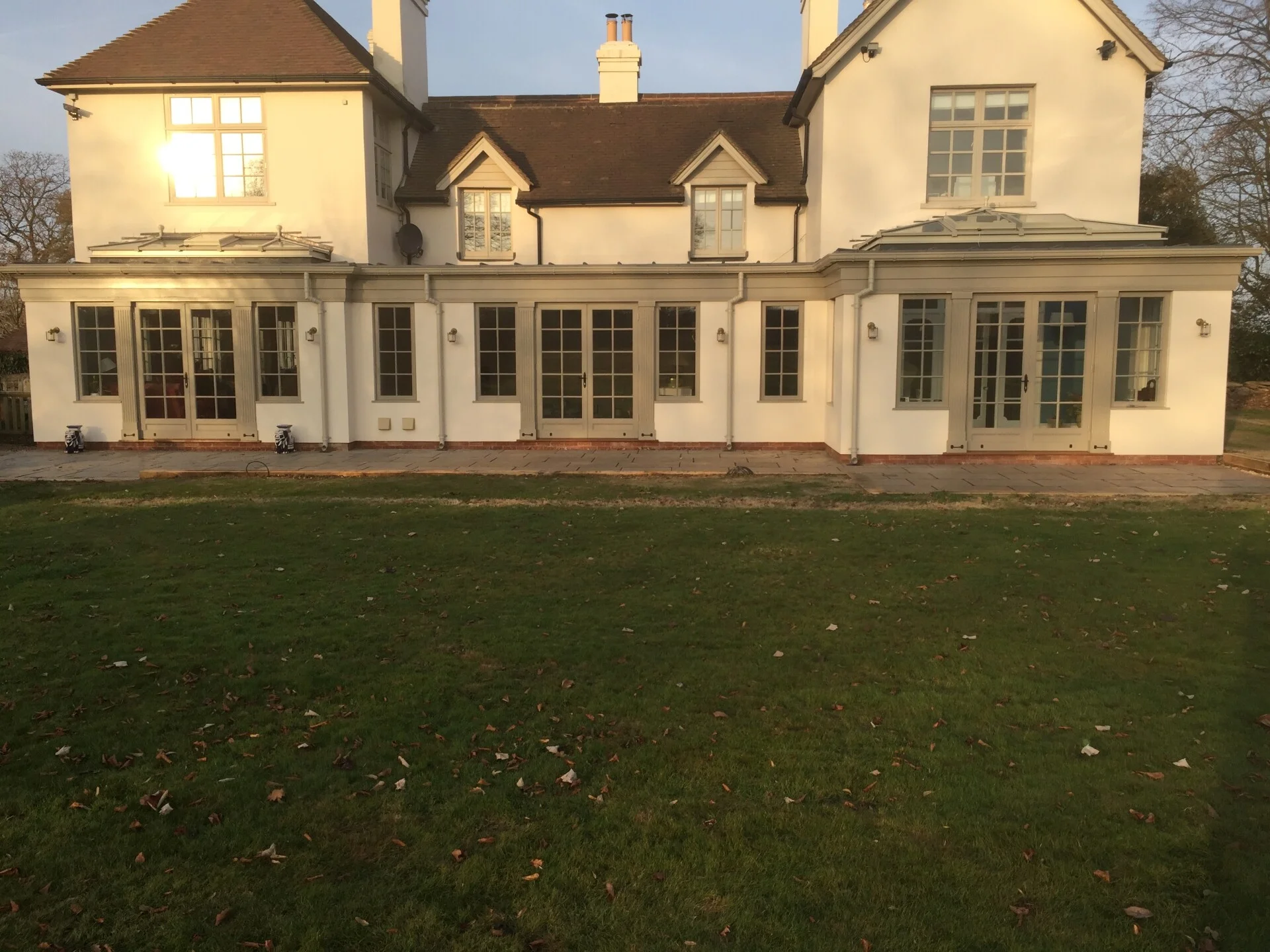
Extensions in Brighton: Materials, Methods & Planning
The most popular extension type in Brighton is the single-storey rear extension, typically extending 3–6 metres from the original rear wall. Under permitted development rights, a detached property can extend up to 8 metres (4 metres for semi-detached and terraced) without formal planning permission, provided the extension meets height restrictions and boundary proximity rules.
For Brighton's Victorian and Edwardian terraces, the side-return extension is transformative. By building over the narrow alley that runs alongside the kitchen, you can create a kitchen-diner that is 30–50% larger — often the difference between a cramped galley kitchen and a generous family space. Side-return extensions typically involve removing the original kitchen side wall and installing an RSJ beam to support the existing first floor.
Wrap-around extensions combine rear and side-return extensions into a single L-shaped or U-shaped addition. These are the most complex type of single-storey extension, requiring careful structural design at the corner junction, but they deliver the most dramatic transformation of ground-floor space.
Double-storey extensions add space on two levels and are typically 40–60% more cost-effective per square metre than building two separate single-storey extensions. The additional structural requirements (deeper foundations, heavier steelwork) are offset by shared roofing, shared drainage, and a single mobilisation cost.
Foundation design depends on ground conditions. In Brighton's chalk, strip foundations at 600–900mm depth are common. In clay areas (Haywards Heath, Horsham), deeper trench-fill foundations (up to 2.5 metres) may be required to account for seasonal ground movement. We commission ground investigations where conditions are uncertain.
Roofing options for extensions include flat roofs (GRP or single-ply membrane), pitched roofs (matching existing tiles), and glazed roofs (structural glass or polycarbonate). The choice affects planning requirements, thermal performance, and cost. We advise on the best option for your property and budget.
Frequently Asked Questions
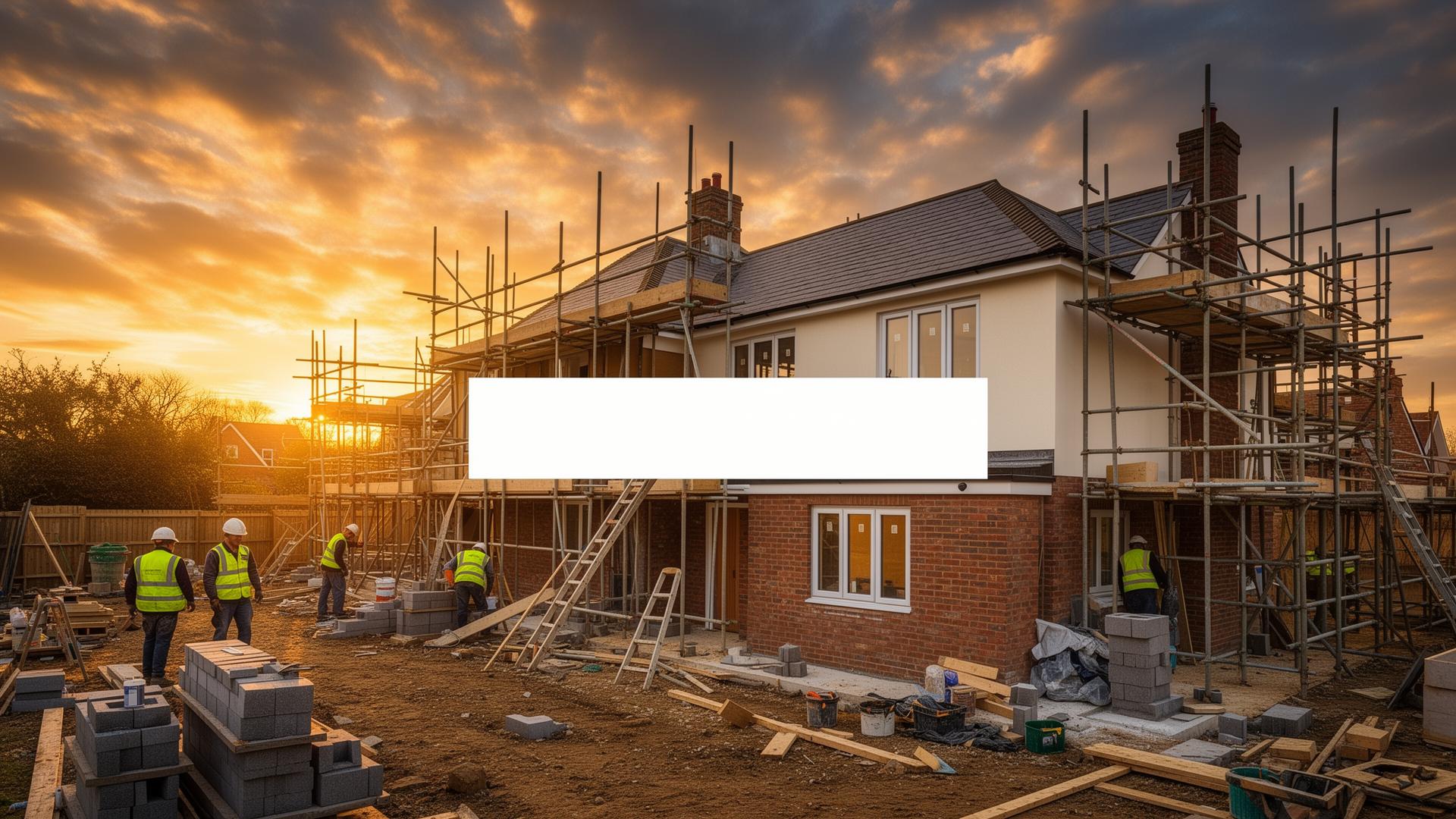
Ready to Extend Your Home?
Get a free, no-obligation estimate for your extension project. Fixed pricing, full project management, and building control handled — from first survey to final sign-off.