
Masters Group
Garage Conversions That Add
Usable Living Space
to Your Brighton Home
Your garage is the most underused space in your home. Convert it into a bedroom, home office, gym, or playroom — adding usable square footage and real property value without the cost of an extension or the disruption of moving.
30+ years experience · Full building regs compliance · Fixed-price contracts · Fully insured
30+ Years
Conversion experience
Building Regs
Fully compliant
Fixed Pricing
No hidden costs
Fully Insured
Comprehensive cover
What Does a Garage Conversion Involve?
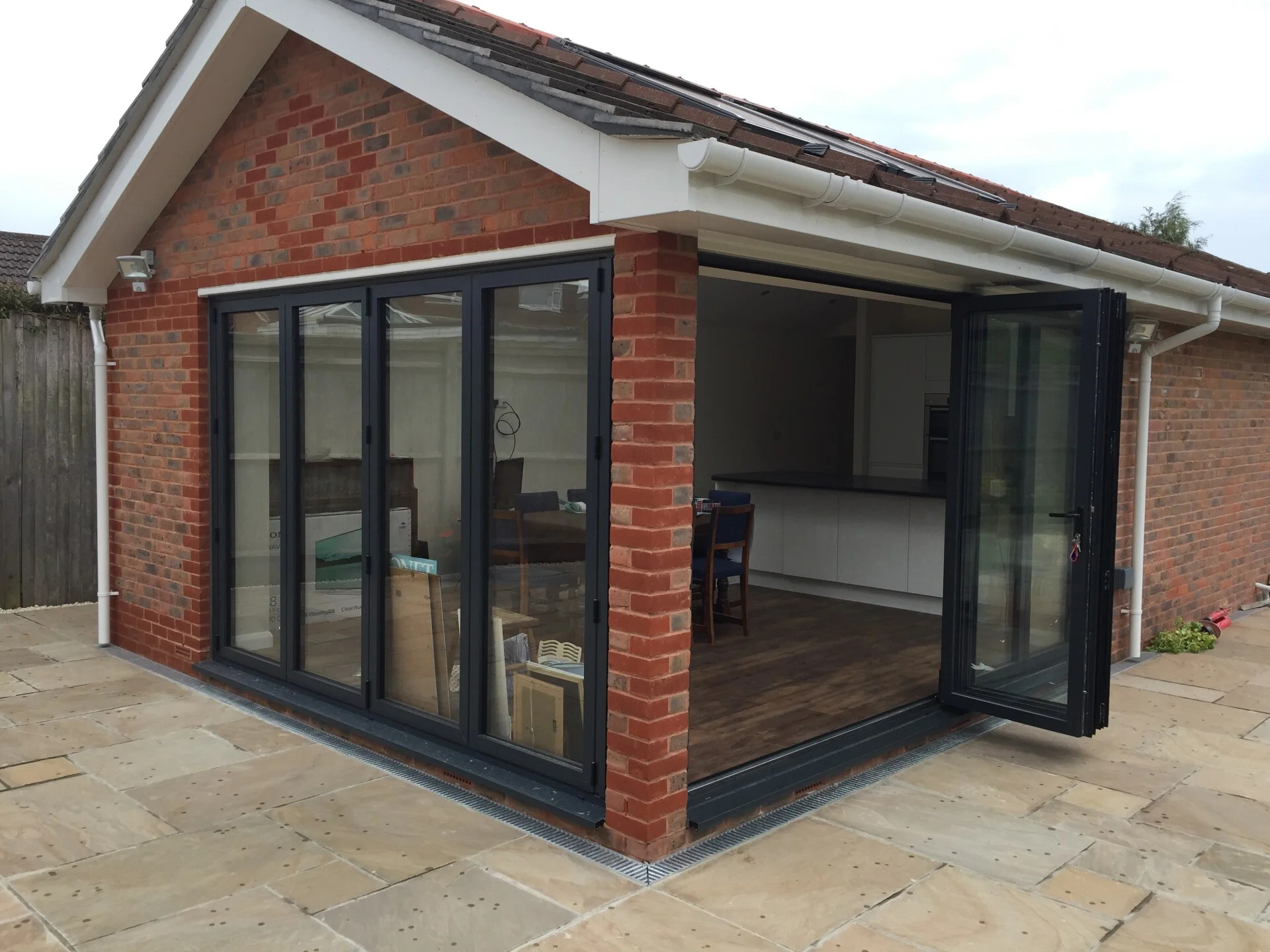
A garage conversion transforms an existing attached or integral garage into habitable living space. The work typically involves replacing the garage door with an insulated wall and window, insulating the floor, walls, and ceiling to meet current Building Regulation standards, installing heating and electrics, plastering, and fitting out to your specification.
This service is for homeowners who use their garage for storage rather than parking and recognise that the space could serve a far more valuable purpose. It is for families who need an extra bedroom, a home office for remote working, a playroom, a gym, or a utility room. It is also for homeowners looking to add value before selling — a garage conversion is one of the highest-return improvements you can make.
Garage conversions require careful attention to Building Regulations. The floor must meet Part L (thermal) requirements — which typically means excavating the existing slab, adding insulation, and pouring a new floor at a level that works with the rest of the house. Walls must be insulated. The new front wall must include a damp-proof course. Ventilation and fire safety requirements must be met.
Masters Group handles every element — structural assessment, building control applications, insulation, mechanical and electrical installation, plastering, and fit-out. We deliver a finished, compliant room that adds genuine value to your home.
Why DIY Garage Conversions Create Problems
Garage conversions look simple on the surface — block up the door, lay a floor, plaster the walls. But the reason so many DIY or cheap garage conversions fail is that they do not meet Building Regulations, which means they cannot be legally classified as habitable space.
The most common issue is floor insulation. A garage floor slab is typically 50–100mm lower than the house floor level and has no insulation or damp-proof membrane. Simply boarding over it creates a cold, damp floor that will develop condensation, mould, and eventually rot in any timber-based finish. The correct approach is to excavate, install a damp-proof membrane, add rigid insulation, and pour a new slab at the correct level.
Wall insulation is the second most neglected element. Garage walls are typically single-skin blockwork with no cavity insulation. Without internal insulation (dry-lining with insulated plasterboard), the room will be cold, condensation-prone, and expensive to heat. In Brighton's coastal climate, where damp-laden air is a constant, this is a recipe for mould growth.
Unconverted garages that are marketed as habitable space without building control sign-off create legal and financial problems when selling. Conveyancers and mortgage surveyors will identify the lack of building control completion certificate, potentially reducing the property value or collapsing the sale. Getting retrospective approval for non-compliant work is expensive and sometimes impossible.
Our Process
How We Deliver Every Project
Survey & Assessment
We inspect your garage, assess structural condition, check floor levels, and identify any constraints. We confirm whether building regulations approval or planning permission is needed.
Design & Quotation
We produce a layout design, specify insulation, heating, and electrics, and provide a fixed-price quotation covering every element of the conversion.
Building Control Submission
We submit plans to building control and manage the approval process before work begins on site.
Structural & Insulation Work
Garage door removed, new wall built, floor excavated and re-laid with insulation and DPM, walls dry-lined, ceiling insulated.
Mechanical & Electrical
Heating, electrics, and ventilation installed. Systems tested and certified.
Fit-Out & Handover
Plastering, decoration, flooring, and any bespoke joinery completed. Building control final inspection and handover of completion certificate.
Why This Matters for Your Project
Add Up to 20% Property Value
A compliant garage conversion adds usable square footage that is reflected directly in property valuations — without the cost of an extension.
Fastest Route to Extra Space
A garage conversion takes 3–5 weeks — significantly faster than an extension. The existing structure provides the shell, so you avoid groundworks and roofing.
Lower Cost Per Square Metre
Converting existing space costs 30–50% less per square metre than building new space. Your garage already has walls, a roof, and a floor — we upgrade them to habitable standard.
No Planning Permission Required
Most garage conversions fall under permitted development rights and do not require planning permission. We confirm eligibility before quoting.
Building Control Compliance
Your conversion is properly insulated, ventilated, and certified — protecting your property value and insurability.
Flexible Use
Bedroom, office, gym, playroom, utility room — the space is designed to your requirements, with heating, electrics, and finishes specified to suit.
Project Gallery
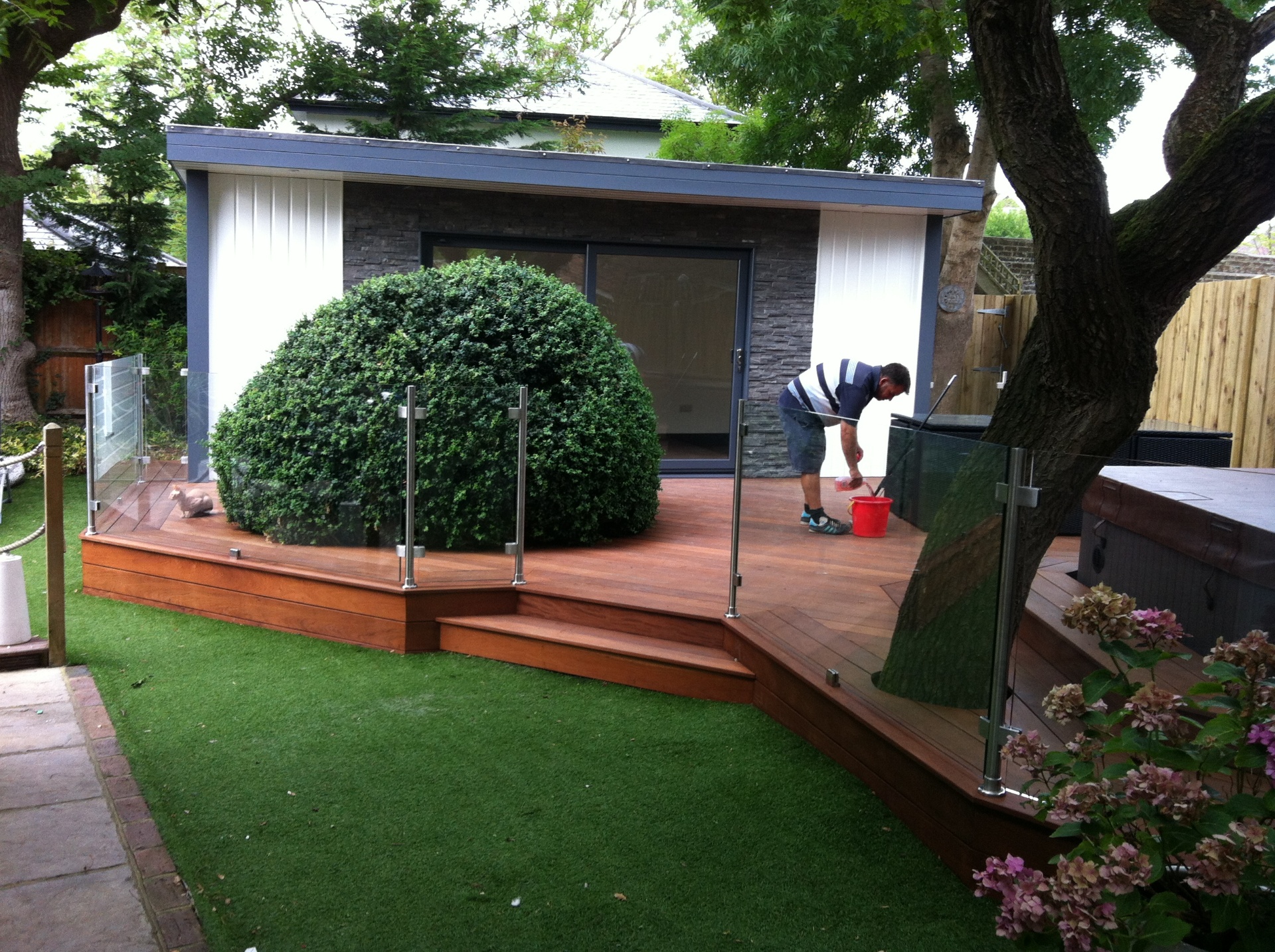
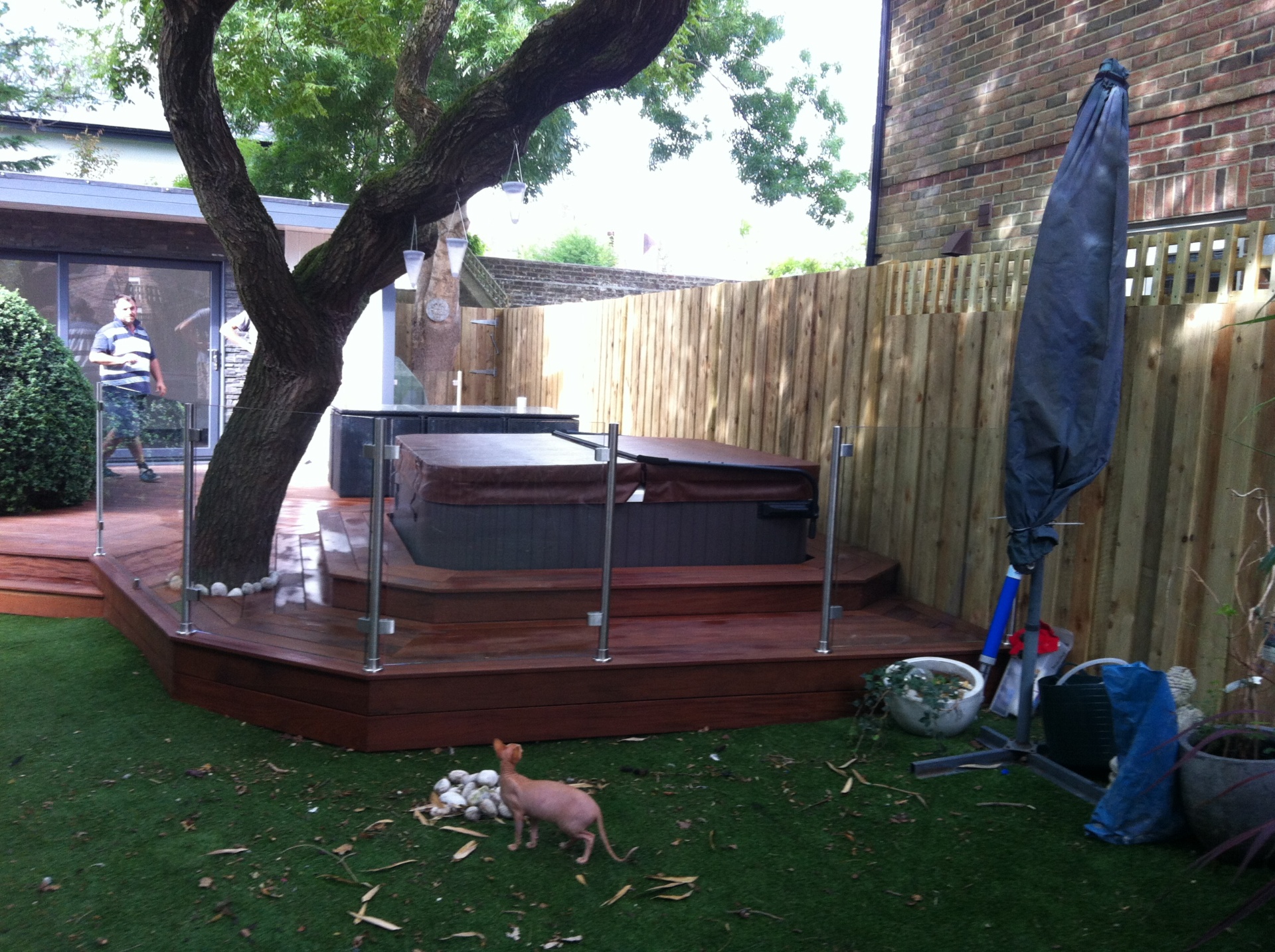
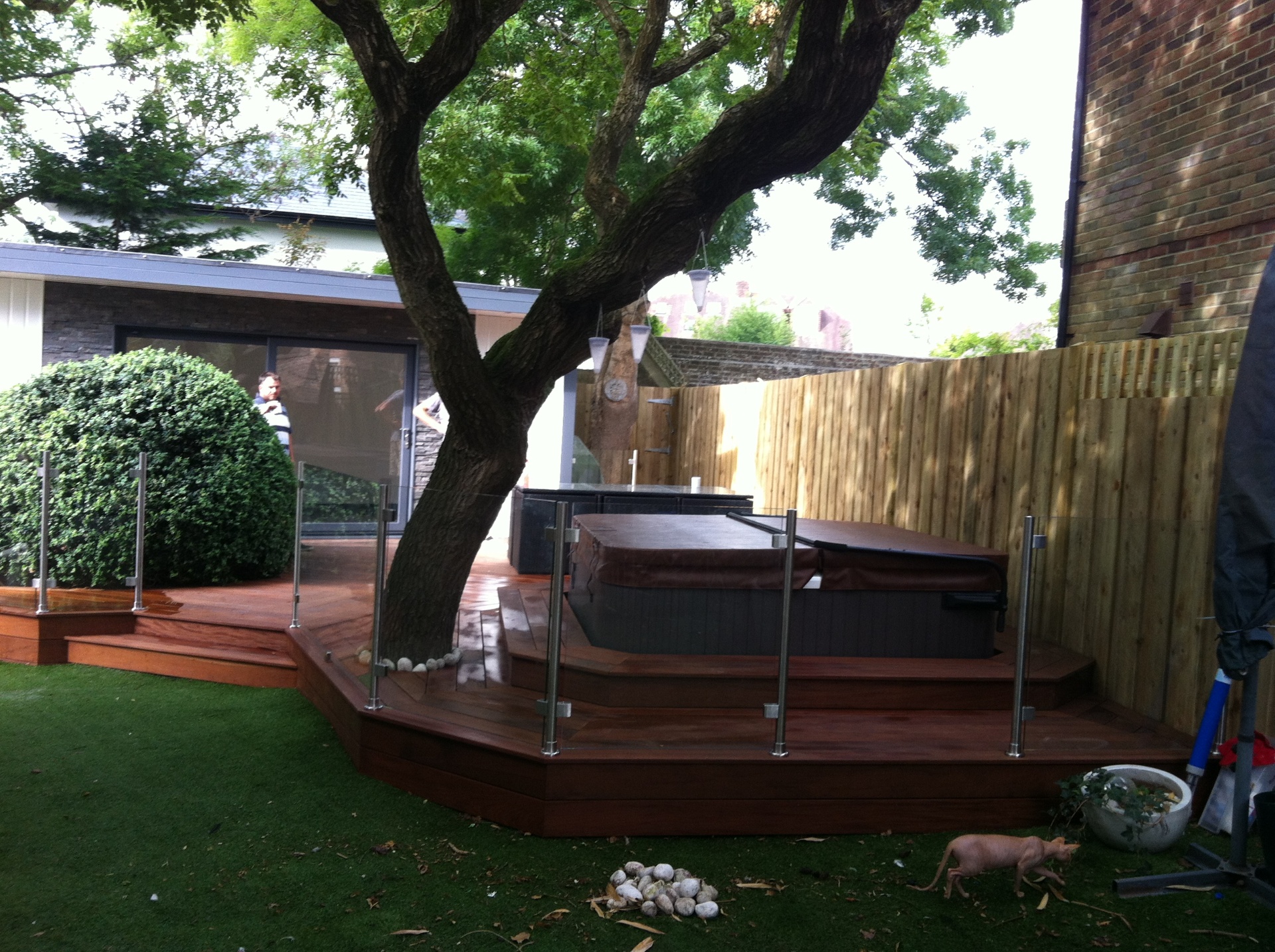
Recent Garage Conversion Service Projects
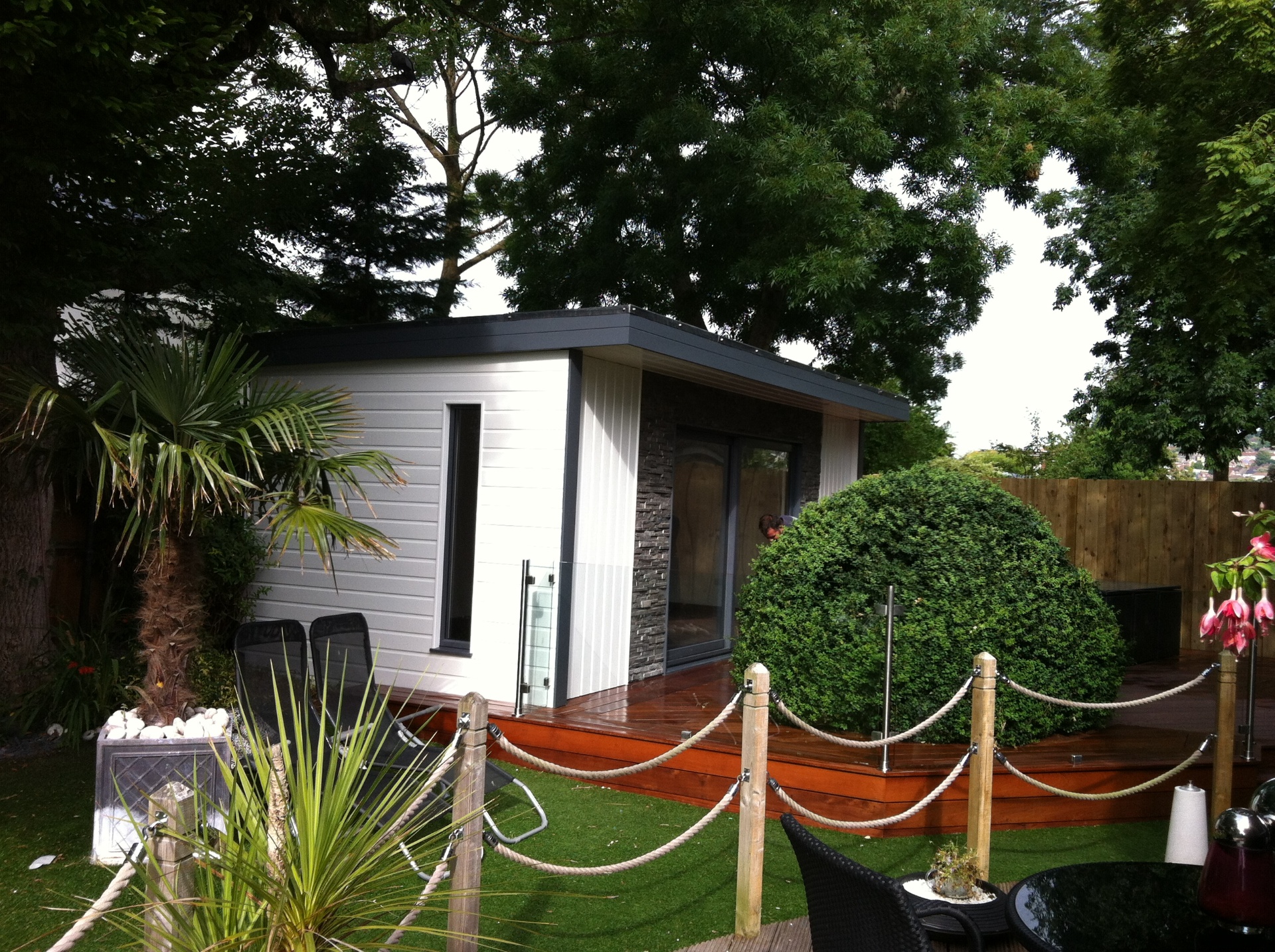
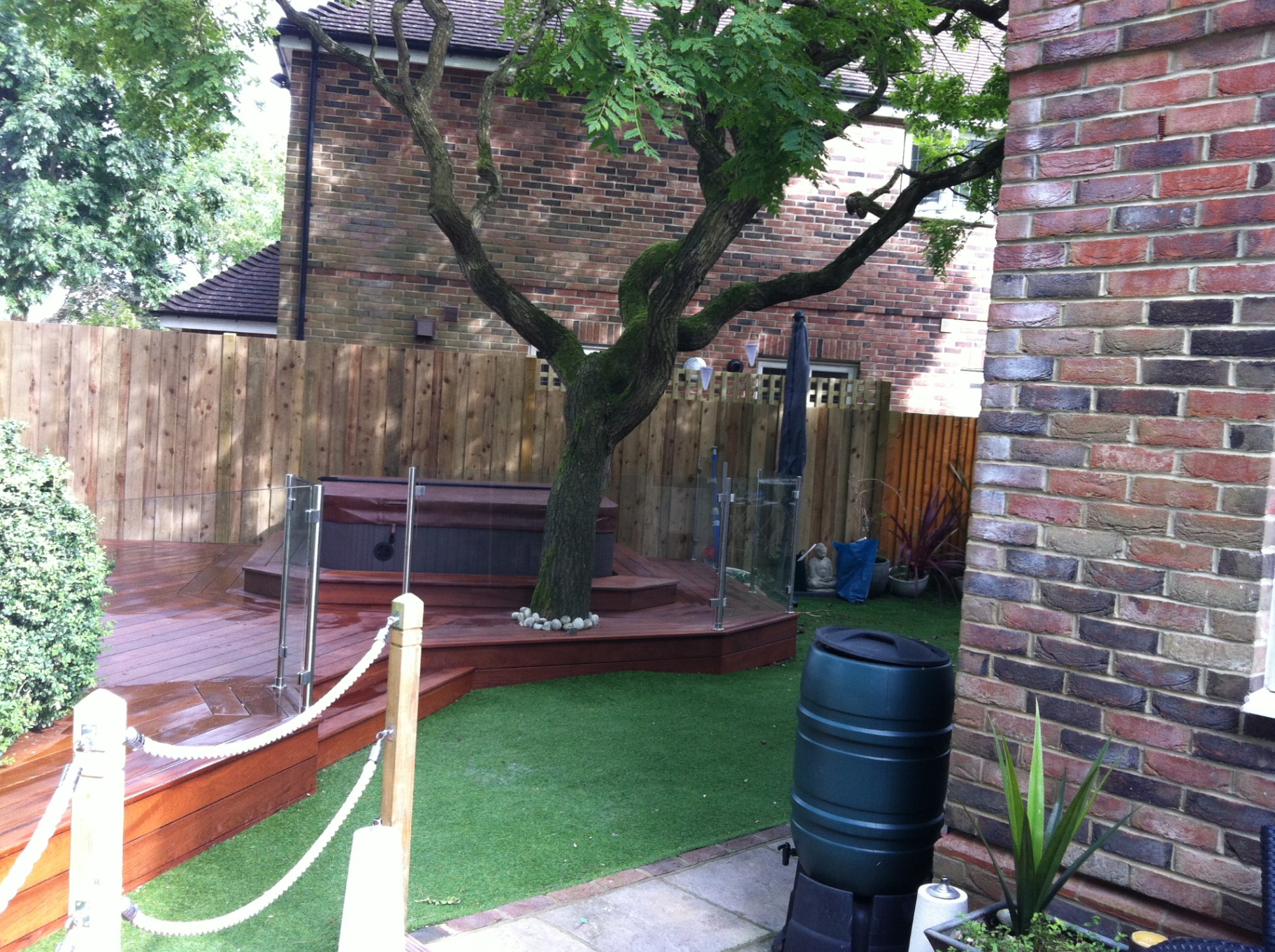
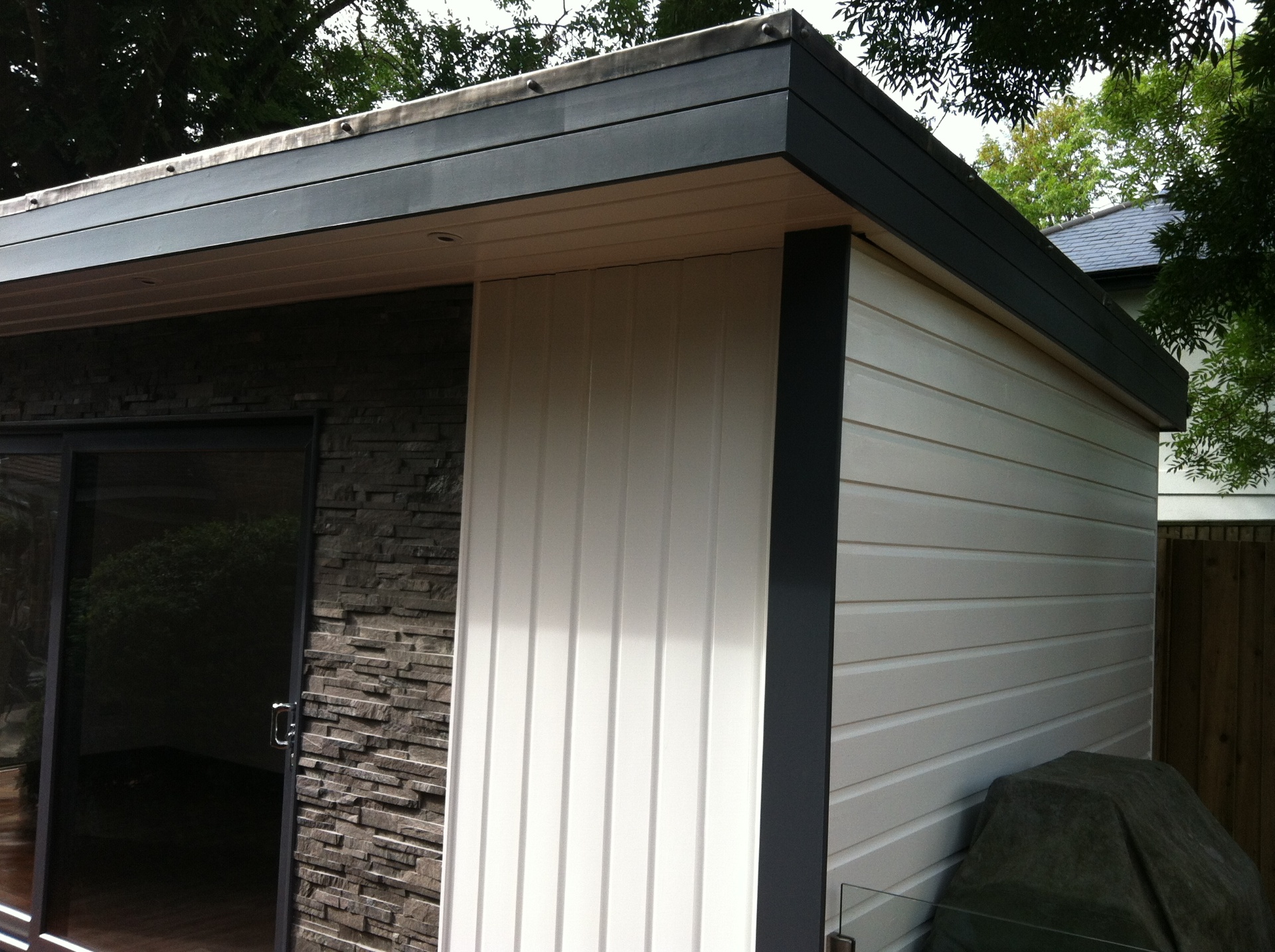
Garage Conversions: Insulation, Materials & Technical Detail
Floor construction in a garage conversion typically involves breaking out the existing concrete slab (or building up from it if levels allow), laying a damp-proof membrane, installing 75–100mm of rigid PIR insulation (Celotex or Kingspan), and pouring a new concrete screed or laying a floating floor system. The finished floor level should align with the adjacent room in the house — step changes between rooms are a sign of a poorly executed conversion.
Wall insulation uses insulated plasterboard (such as Celotex PL4000 or Kingspan Kooltherm K118) fixed to the existing blockwork walls. This provides both insulation and a plaster-ready surface in a single operation. Typical thickness is 50–62.5mm, providing U-values that meet current Part L requirements. In some cases, a stud wall with mineral wool insulation may be preferred — particularly where services need to run behind the finish.
The garage door opening is filled with a new blockwork wall incorporating a damp-proof course, cavity tray (if the existing walls are cavity construction), a window, and sometimes a doorway. The window must provide natural light (Part L) and ventilation (Part F) to the new room. If the room is to be used as a bedroom, an escape window meeting Part B fire safety requirements is mandatory.
Ceiling insulation is installed between or below the existing roof joists using mineral wool or rigid board insulation. If the garage has a flat roof, insulation may need to be added above the roof deck (warm roof construction) to prevent condensation within the roof structure.
Heating is typically provided by extending the existing central heating system — adding a radiator connected to the household boiler. Alternatively, electric panel heaters or underfloor heating can be installed where extending the central heating is not practical. We calculate the heat loss of the room and specify the heating output accordingly.
Ventilation must meet Part F of the Building Regulations. For habitable rooms, this means trickle ventilators in windows and, for rooms with potential moisture generation (utility rooms, gyms), mechanical extract ventilation.
Frequently Asked Questions
Ready to Unlock Your Garage's Potential?
Get a free estimate for your garage conversion. Compliant, insulated, and finished to a standard that adds genuine value to your home.